
An abstract stack of glass layers joined by a column of teal light

What we do

Connect existing systems and share data under agreed controls

Most organisations already have the systems they need. The problem is that those systems cannot share data safely with each other, or with partners. Our digital spine is a shared data access and workflow layer that connects existing systems without replacing them.

The problem

Why smart city strategies stall

We reviewed earlier smart city strategies, our own included, with a panel of experts. Rushing to buy technology created more silos. Common barriers include:

  • Inconsistent data models
  • Fragmented access controls
  • Unclear governance
  • Dependence on individual suppliers
  • Policy that reacts rather than plans

The typical smart city stack

Policy / strategyAnalysis / insightData lakeData silosAppsDataInfrastructureSecurityStandardsGovernanceAppsDataInfrastructureSecurityStandardsGovernanceAppsDataInfrastructureSecurityStandardsGovernanceSmart city strategy
The typical smart city stack: separate silos feeding a data lake. Redrawn from DPC's research page, dpc-ltd.com/research.

The idea

What a digital spine is

Picture a council. Housing, highways, procurement and energy each run their own systems, and each holds data the others could use. Suppliers hold more. Today that data moves by email, spreadsheet and PDF, or it does not move at all.

A digital spine is a common layer that every one of those systems can connect to. It does three things:

  • Controls access. Every request for data is checked against a policy before anything is released.
  • Retains source control. Organisations keep control of their source data and share authorised information under agreed policies.
  • Keeps a common shape. Shared data models and governance mean the same thing is described the same way across systems.

Some people call this an integration architecture or a data sharing framework. It is the groundwork that digital twins and smart city services need before they can work at scale.

Designed around open interoperability principles

Our architecture maps to the Open & Agile Smart Cities Minimal Interoperability Mechanisms (MIMs), the minimum a city's systems need in common to work together. The mapping shows intended architectural alignment; it is not a claim of certification. By layer:

  • Buttress: MIM0 accessing data through open APIs, MIM4 personal data under the person's control, MIM6 securing data, with every request checked against policy.
  • Framework: MIM1 interlinking data and MIM2 representing it in shared data models, so the same thing is described the same way.
  • nodeStream: MIM3 exchanging data under agreed terms between organisations, and MIM5 fair and transparent AI, planned as AI workflows are added.
  • Applications: MIM7 geospatial data and MIM8 local digital twins, built once on the spine and reused.
ApplicationsProject Q and others

Applications built once on the spine and reused across organisations.

MIM7MIM8
Commercial platformnodeStream

Workflows between organisations, with each party keeping control of its own data.

MIM3MIM5
Open source coreButtress

Every request carries a token and is checked against access policies before anything is released.

MIM0MIM4MIM6
GovernanceFramework

Open standards, governance, human-centred design and security, following the Gemini Principles.

MIM1MIM2
Connects toYour existing systems
DatabasesConnected devicesLegacy systems

What we have built

The components

The parts we have built over the last ten years, funded by Innovate UK and by the founders.

Current offer: Buttress and nodeStream are implementation-ready for trial programmes; Project Q is in live use. Partner application: iMmesh is currently offered as a white-label Pulse Systems application. Future applications: iComply, iAsset, iMmeter and virtual wards remain separate development opportunities.

Current offer, open source

Buttress

The core of the spine, implementation-ready for trial programmes. Buttress is a data controller that sits between the applications that use data and the databases that hold it. Applications never talk to a database directly: each request carries a token, and Buttress checks it against policy-based access controls before it lets anything through.

Buttress is designed so that separate installations, run by different organisations, can share data with each other under data sharing agreements: each side exchanges what it has agreed and nothing more. Changes are passed to authorised parties in real time.

Buttress is open source under the AGPL-3.0 licence.
Current offer, commercial platform

nodeStream

Our commercial platform, built on Buttress and implementation-ready for trial programmes. nodeStream runs workflows between organisations, such as onboarding a supplier or signing off a job, and is designed to check that each organisation is who it says it is. Each party keeps control of its own data.

  • One profile per organisation, reused with every buyer instead of a new form each time.
  • A status for every supplier, green, amber or red, showing how its submitted evidence meets the buyer's configured requirements. It is not a blanket certification of legal compliance.
  • Shared workflows, giving authorised participants access to a consistent record, which can reduce duplicate entry and email follow-up.
  • Access for the job, granted when the work starts and closed when it ends, with each party keeping control of its own data.

Read more about nodeStream

Current offer, live

Project Q

An order, stock and customer management system for retail, built on Buttress. It brings daily work into a single job feed, tracks incoming stock from suppliers and flags stock that needs attention before it runs out. Project Q is in live use and earning income.

Partner application

iMmesh

A building monitoring application, where sensors fitted to building systems stream real-time data into one place. iMmesh is currently offered as a white-label Pulse Systems application. We may develop it into our own product later.

Future applications

Future applications

iComply, iAsset, iMmeter and virtual wards remain separate development opportunities, each designed to reuse the same spine:

  • iComply, aimed at checking organisations against trusted sources used in procurement.
  • iAsset, asset management where data stays with the asset and is shared, rather than handed to a supplier's system.
  • iMmeter, smart metering work with South Korean hardware partners.
  • Virtual wards, secure health data sharing, discussed with health trusts as part of Innovate UK bids.

Buttress data sharing example

Client request and own queryData sharing agreement (DSA) requestResponseClient AButtress APre-processingOutput pre-processingDatabase ASQLNoSQLGraphEtc.Buttress BPre-processingOutput pre-processingDatabase BSQLNoSQLGraphEtc.Buttress CPre-processingOutput pre-processingDatabase CSQLNoSQLGraphEtc.Request (car table)QueryDSArequest (B)DSA request (C)Query for Buttress AQuery for Buttress ADSA response (B)DSA response (C)DB response
How separate Buttress installations are designed to share data. Client A asks Buttress A for data; Buttress A queries its own database and sends data sharing agreement requests to Buttress B and C, which query their own databases on its behalf and send the responses back. Redrawn from DPC's website, dpc-ltd.com/buttress-1.

Services

How we work with clients

For councils, public bodies and industry partners.

01 / Consultancy

Strategy that matches policy

Digital strategy and roadmaps for local and central government, public bodies and industry partners, covering data governance, interoperability and cyber-physical infrastructure, with technology choices matched to policy goals and to what can be delivered.

Out of this research, our information management framework draws on the Gemini Principles and the MIMs of Open & Agile Smart Cities, with which we have a memorandum of understanding.

02 / Transformation

Building what the strategy calls for

Building and integrating interoperable data systems, digital twins and secure cloud services, while keeping existing services running. Training and knowledge transfer are part of the work, so the change lasts after we step back.

Our proposed licensing and platform-credit model is intended to help councils phase investment as their networks grow, while their smaller suppliers get the tools to become compliant and ready for procurement.

Workflows run across a city's shared data schema, reacting to events or acting ahead of them, so departments stop working in silos and residents get better services. The same applies inside a private organisation.

Our view, from our research, is that open standards and open source tooling prevent proprietary lock-in.

03 / Research and development

Testing before committing

Feasibility studies and technical investigations before large-scale change, across energy, mobility, the built environment and public services. Each one looks at how people, infrastructure and data interact, and how a new idea would connect to a wider digital spine.

Projects

Selected projects

Feasibility studies, demonstrators and a service in live use. For each we set out the customer or programme, the challenge, our role and the current stage.

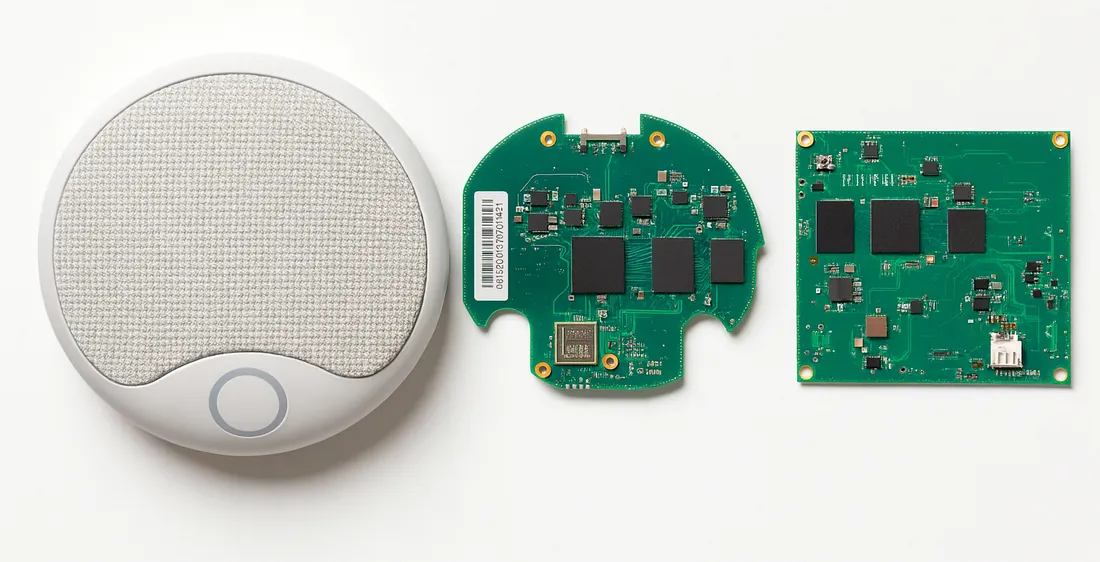
A round white smart home hub beside two of its bare green circuit boards, photographed on a white background
UK and South Korea, sandbox demonstrator

Smart home energy data

Part of the UK and South Korea Data Driven Urban Innovation bilateral programme, which we lead. The challenge is to share energy data from smart meters, building sensors and renewable sources securely across homes, businesses and cities.

Our role is to integrate Buttress and nodeStream with a new generation of secure smart home hubs built on Arm's Morello board and CHERI software. The hubs connect to smart meters, environmental sensors and healthcare devices and share data using the Open Connectivity Foundation specification (ISO/IEC 30118). The project is in progress as a sandbox demonstrator for homes and commercial buildings.

  • Open Connectivity Foundation
  • Liverpool John Moores University
  • Kevin LABS
  • KOPTI
  • ETRI
  • Healthy Homes Hub
  • EnergyWyze

Smart home hub hardware, photograph from DPC's website.

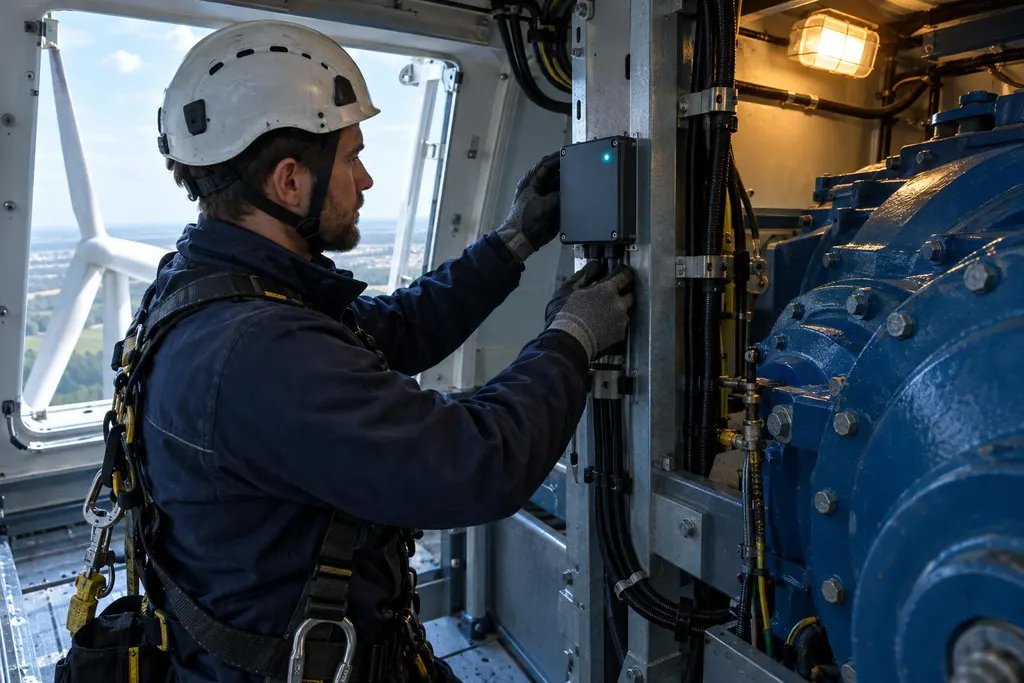
An engineer fitting a small electronics module with a teal status light inside a wind turbine nacelle
Energy, Innovate UK feasibility study

Wind turbine feasibility study

We tested OCF-based connectivity in a working turbine to demonstrate a secure operational data stream. Our role was to fit a chip built to Open Connectivity Foundation standards inside the turbine, giving operators real-time data on performance and operating conditions.

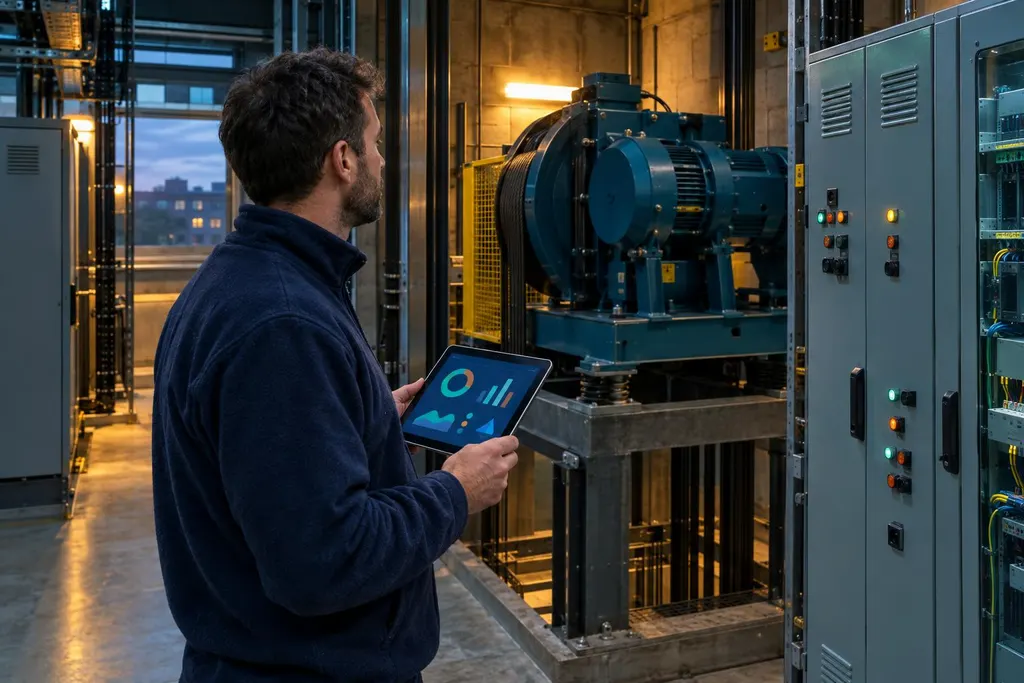
An estates engineer with a tablet beside lift machinery and building control cabinets in a plant room
Buildings

Asset management, Liverpool John Moores University

The university's estates team wanted to plan maintenance rather than react to failures. Our role was a real-time dashboard that brings together data from lifts, lighting and other critical building systems across the campus.

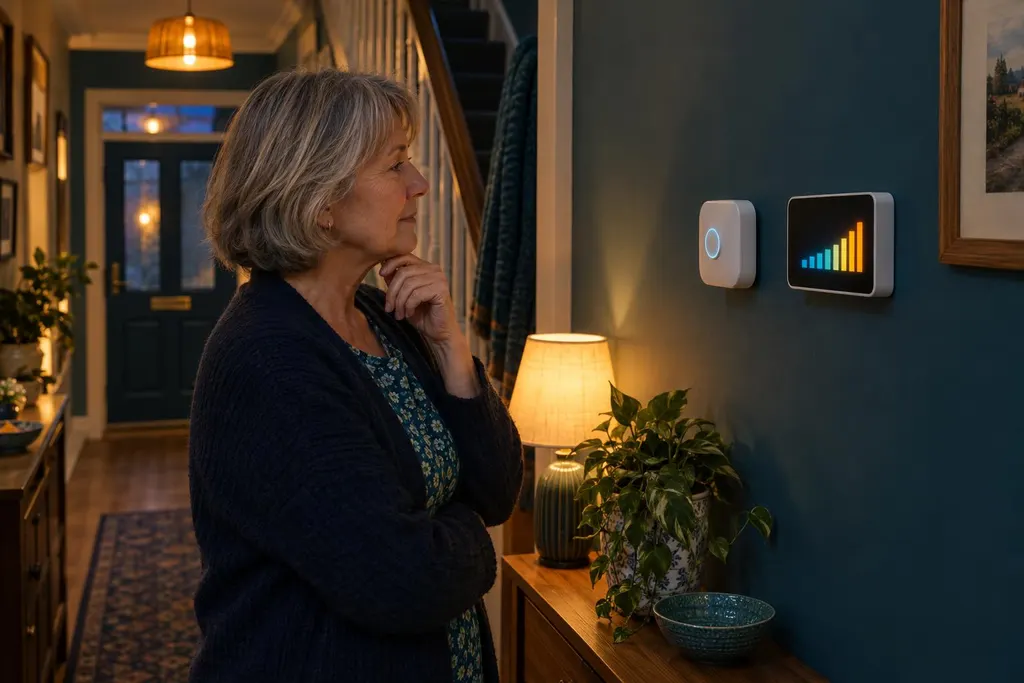
A tenant in her hallway looking at a smart home hub and an energy display on the wall
Energy, in development

Energy smart metering

Following an Innovate UK feasibility study completed in February 2025, we are developing a smart home gateway for a composable digital twin. The first phase tested Buttress and nodeStream as the data sharing layer, with tenant-controlled energy and health data and policy-based access.

A sensor circuit board with a teal status light mounted beside cables in a building service riser
Net zero, planned demonstrator

Liverpool City Region energy demonstrator

A composable digital twin demonstrator for net zero energy systems, planned with Pulse Systems and Dynamic Devices for the Central Tech Building in Liverpool. It is intended as a living lab for secure energy and IoT data sharing.

A maritime city waterfront at dusk with fine teal lines of light linking buildings and the port
Digital twins, exploratory work

Cross-city digital twin, Liverpool and Surabaya

With partners in the UK and Indonesia, we explored how Liverpool and Surabaya could collaborate through a shared digital twin. The work secured a memorandum of understanding with ITS University as a foundation for shared research and a platform linking both cities.

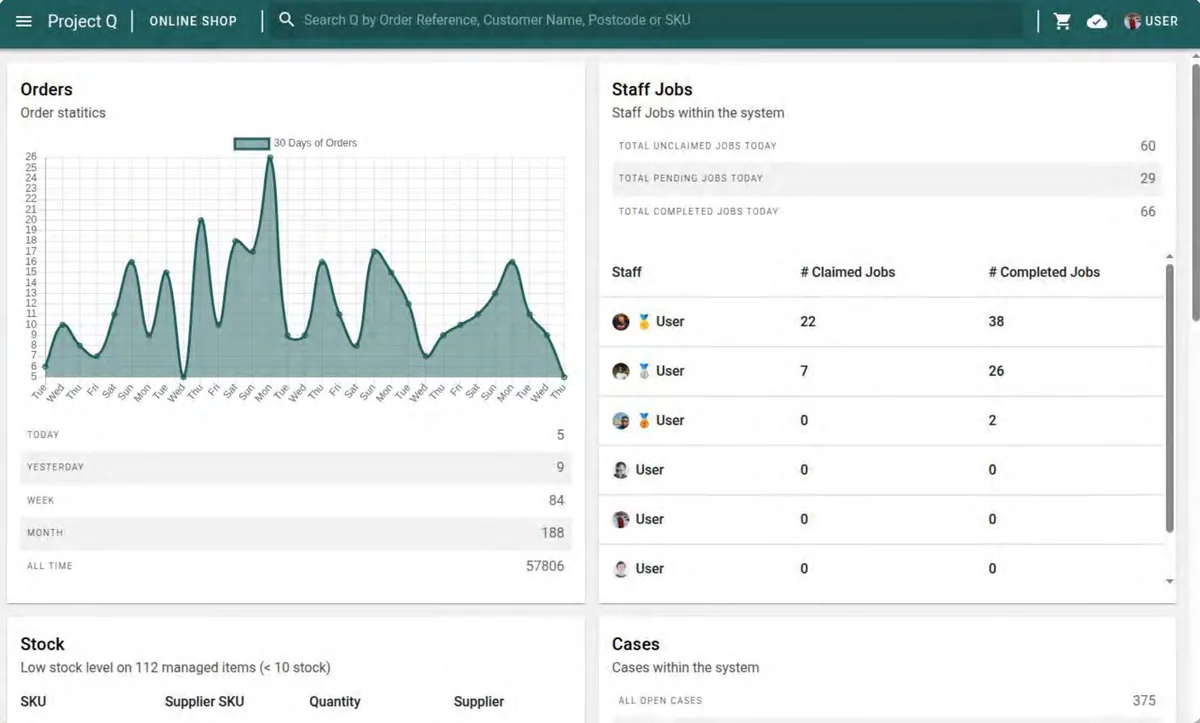
Project Q dashboard showing 30 days of orders, staff jobs, stock levels and open cases
Retail, in live use

Project Q

A real-time order, stock and customer system built on Buttress, which automates stock procurement and monitors supplier activity. It is in live use and earning income.

Project Q dashboard with orders, staff jobs, stock levels and open cases. Screenshot from our investment deck.

Discuss a trial programme

Tell us which systems you need to connect, who needs access and what outcome you want to test. We also take on consultancy and research work.